- 08:00 am - 09:00 pm
- 4101 Rutherford Rd #11, Woodbridge, ON L4L 0K1





How To Remove Mold From Washer Gasket – Complete Guide by Appliance Masters
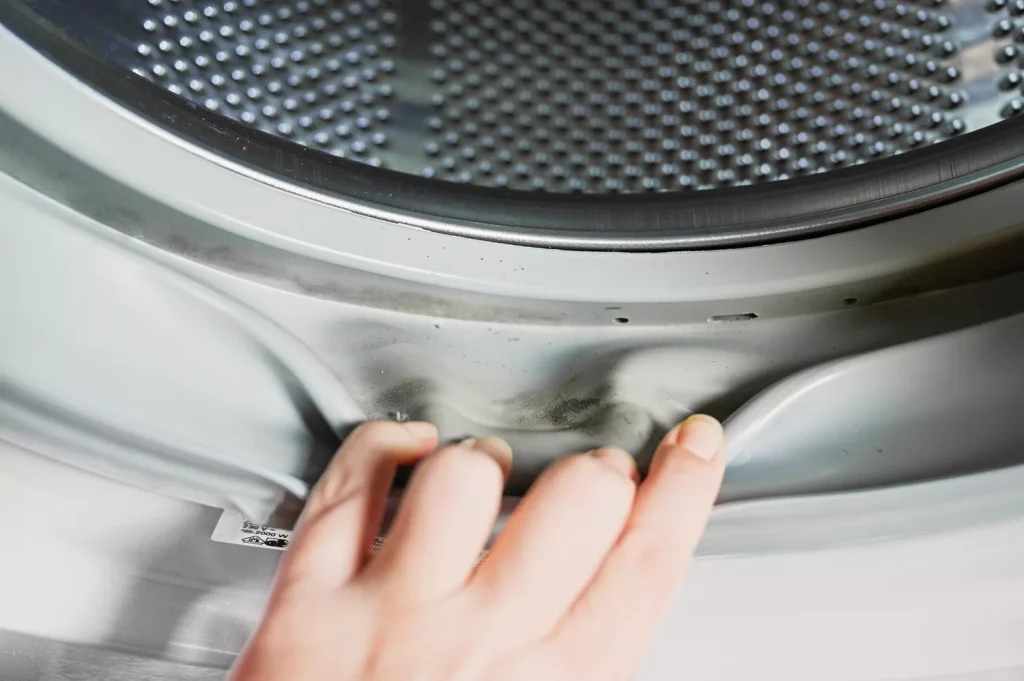
Mold inside a washing machine is a frustrating and common problem, and knowing how to Remove Mold From Washer Gasket is essential for keeping your laundry fresh and your appliance in good condition. At Appliance Masters, we help homeowners across Woodbridge, Ontario tackle washer issues quickly and safely. Mold buildup on the rubber gasket often leads to unpleasant odors, stained clothes, and can even affect people sensitive to allergens. Understanding why mold grows and how to prevent it will keep your washing machine performing at its best.
Mold is a type of fungus that thrives in warm, damp, and enclosed environments. Because washing machines constantly deal with moisture, the rubber door gasket becomes a prime location for mold growth. Dirt, detergent, and fabric softener residue accumulate in the folds of the gasket, creating the perfect environment for mold to develop. If you notice a musty smell when opening your washer or see black or brown spots on the rubber seal, it’s time to take action before the problem gets worse.
How Mold Forms on Washing Machine Gaskets
Front-load washers are especially prone to mold because the door seals tightly, trapping moisture inside. After a wash cycle, the combination of leftover water, humidity, and detergent residue provides everything mold needs to grow. Over time, mold can spread deeper into the gasket, making cleaning more difficult and potentially damaging the rubber. Mold exposure can cause symptoms such as sneezing, coughing, itchy eyes, or skin irritation—especially in individuals with allergies or asthma. Even worse, mold can transfer onto clothes, making them smell unpleasant even after a wash.
How to Prevent Mold From Developing on Your Washer Gasket
Preventing mold is much easier than removing it later. Here are the best steps recommended by Appliance Masters:
1. Keep the Washer Door Open After Every Cycle
Allowing air circulation helps the gasket dry faster. If you have small children, use a washer-safe door latch to let air in safely.
2. Wipe the Gasket Regularly
Use a soft cloth with mild soap to clean the folds of the gasket. This removes moisture and residue before mold can form.
3. Run a Vinegar Cleaning Cycle
Vinegar naturally breaks down bacteria and buildup.
Pour 2 cups of white vinegar into the detergent dispenser
Run a hot wash cycle for 1 minute, pause the washer for 1 hour
Restart the cycle and let it finish
This helps maintain a fresh, mold-free drum.
4. Reduce Humidity
If your laundry room is damp, use a dehumidifier to lower moisture levels and prevent mold growth on both the washer and surrounding areas.
How To Remove Mold From Washer Gasket When Mold Is Already Present
If you already see mold, don’t worry—there are effective ways to remove it before it spreads further.
1. Remove Loose Debris
Use a dry paper towel to wipe away dirt, grime, and loose mold from the gasket surface.
2. Clean With Soap and Water
Mix mild soap with warm water and wipe inside the gasket folds with a cloth. This loosens and removes surface mold.
3. Use a Bleach Solution for Deep Cleaning
When mold is stubborn or embedded into the rubber, bleach can help break it down.
Mix 1 cup of bleach with 1 gallon of warm water
Wear gloves and protective eyewear
Pour the solution into a spray bottle
Spray directly onto moldy areas
Let sit for 15 minutes
Scrub gently with a sponge
Rinse thoroughly with clean water
Repeat the process if needed, but do not leave bleach on the gasket too long as it may weaken the rubber over time.
4. Check for Damage
If the gasket is torn, cracked, or permanently stained, cleaning may not be enough. In this case, Appliance Masters can replace the gasket professionally to restore your washer’s performance.
When You Should Call Appliance Masters
You should contact Appliance Masters if you notice:
Mold returning frequently
A persistent musty odor
Visible damage to the rubber gasket
Water leaking from the washer door
Mold spreading beyond the gasket
Washer performance declining
Our certified technicians provide safe and effective washer repair services across Toronto and the GTA, including gasket replacement, deep cleaning, and full washer diagnostics.
Expert Tips for Keeping Your Washer Mold-Free
Wipe the gasket weekly
Use HE detergent to prevent residue buildup
Avoid leaving wet laundry inside the washer
Run a monthly cleaning cycle
Keep the detergent tray clean and dry
Following these simple steps will help maintain a clean and mold-free washer, extend the lifespan of the appliance, and keep your laundry smelling fresh.